-

What Will and What Insurance Should a Founding Shareholder’s Equity Be Paired With? Three Wealth Transfer Tools for Family Succession (Part 6: Prevention)
Part 6 (Prevention) | What Will and What Insurance Should a Founding Shareholder’s Equity Be Paired With? Three Wealth Transfer Tools for Family Succession This article addresses the core question of family wealth management — whether to use a will, insurance, or a trust for equity succession. Drawing on the doctrine of testamentary freedom and…
-
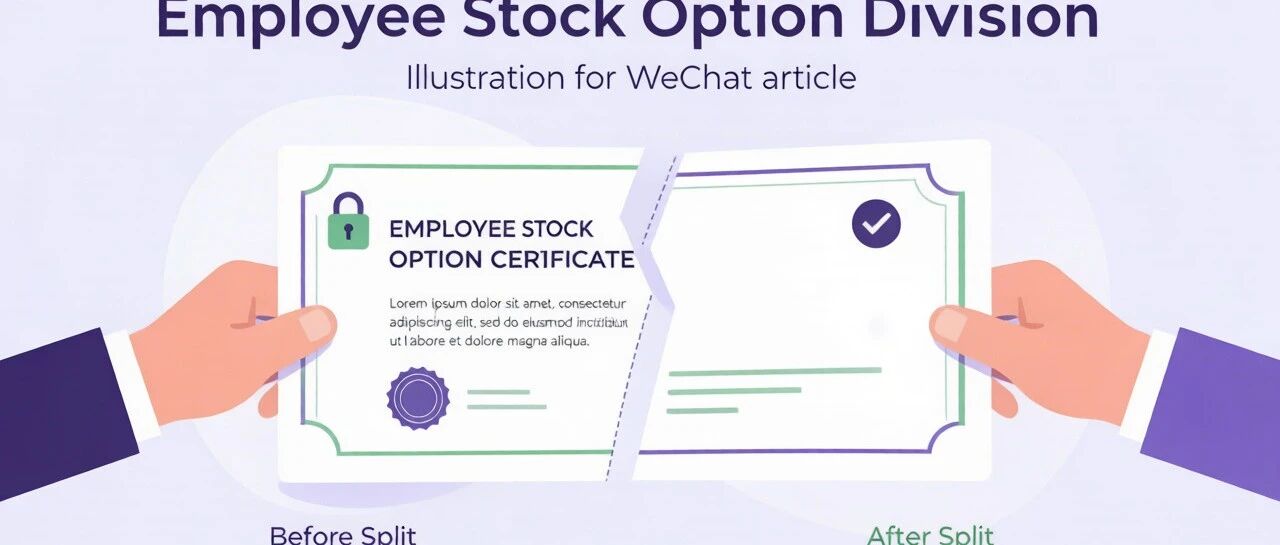
Unvested Options and Restricted Stock in Divorce: To Divide or Not to Divide? – Property-Attribute Determination of Options as Expectant vs. Vested Rights (Part 5: Options)
Part 5 (Options) | Unvested Options and Restricted Stock in Divorce: To Divide or Not to Divide? This article addresses the cutting-edge dispute over whether unvested options and restricted stock constitute community property in divorce, and whether what is divided is the right itself or its property value. Drawing on the marital property regime under…
-

Husband Holds Equity as Nominee for a Friend — Can His Wife Claim a Share at Divorce? How Courts Decide — Rules for Dividing Nominee-Held Equity in Divorce (Part 4 · Nominee Shareholding)
This article addresses the dispute over whether a spouse may claim a share of equity that one party holds as a nominee for another during the marriage, and examines the rules for dividing such equity where the nominee relationship is established versus where it is not — drawing on the entrustment contract regime of the…
-

When a Nominee Shareholder Dies Suddenly: Can You Recover Your Money and Shares? (Part 4 · Prevention)
This article focuses on the high-frequency dispute of “the actual investor’s remedies after the death of the nominee shareholder,” and, drawing on the legal validity of the nominee agreement, the conditions for a hidden shareholder to be registered as a shareholder of record, the rules on allocation of the burden of proof, and the principles…
-
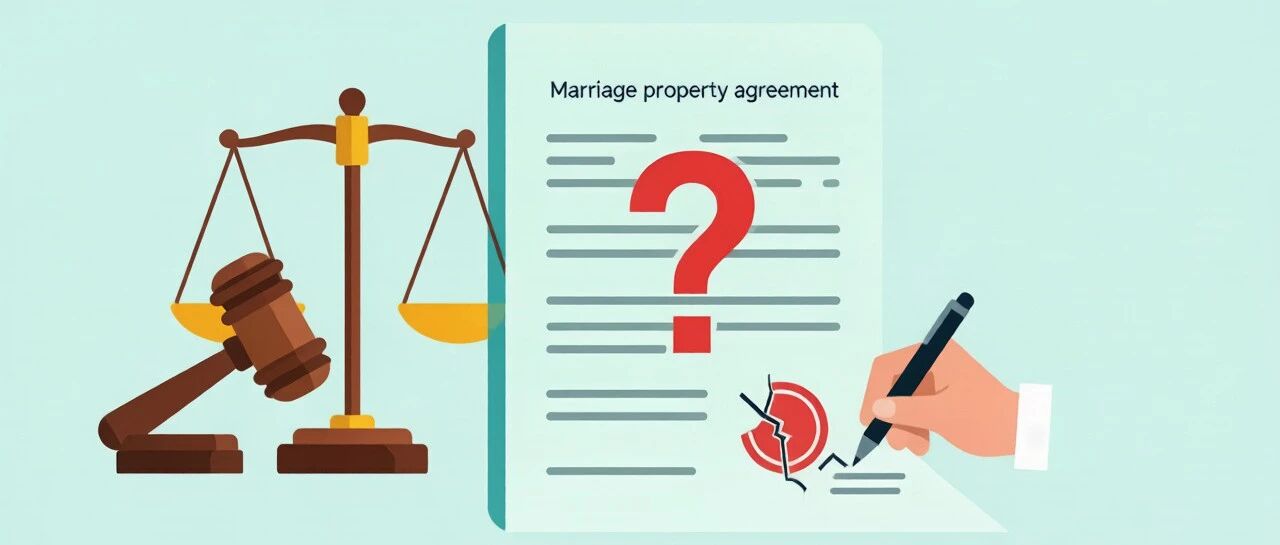
“The Equity Is Mine” in a Marital Agreement: Why Courts May Refuse to Enforce It — Three Pitfalls and How to Draft It Right (Part 3 · Property Agreements)
This article addresses the high-frequency trap of “why a property agreement signed by spouses during marriage is held invalid or voidable by the court at divorce,” and, drawing on Article 1065 of the PRC Civil Code on the spousal property-agreement system, Article 151 on the right to rescind for manifest unfairness, and Articles 538/539 on…
-

Does Your Self-Made Company Get Split with Your Spouse After Death? Equity Rules for Marital Property
Does Your Self-Made Company Get Split with Your Spouse After Death? Equity Rules for Marital Property Part 3 (Prevention) | Does Your Self-Made Company Get Split with Your Spouse After Death? Equity Rules for Marital Property This article focuses on the core dispute of “the characterization and division of marital property in equity inheritance.” Drawing…
-
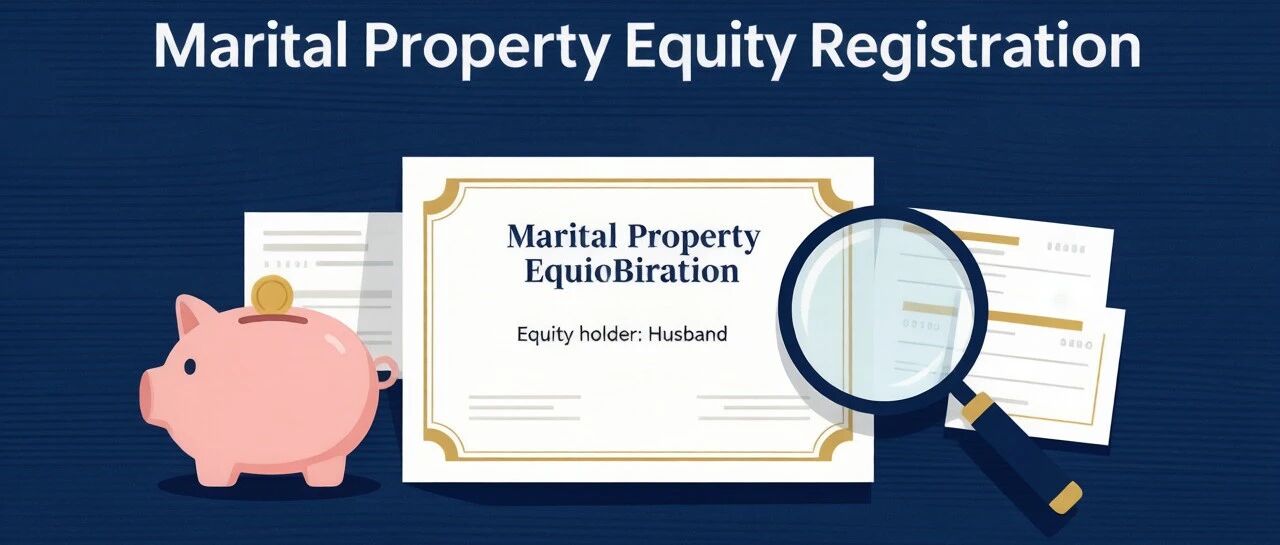
Equity Purchased with Marital Property Registered Under the Husband’s Name: Can You Get Shareholder Status at Divorce? — The Separation of Capital Source and Shareholder Status
Equity Purchased with Marital Property and Registered Under the Husband’s Name: Can You Obtain Shareholder Status at Divorce? — The Separation of Capital Source and Shareholder Status Part 2 (Separation of Status) | Equity Purchased with Marital Property and Registered Under the Husband’s Name: Can You Obtain Shareholder Status at Divorce? This article addresses the…
-
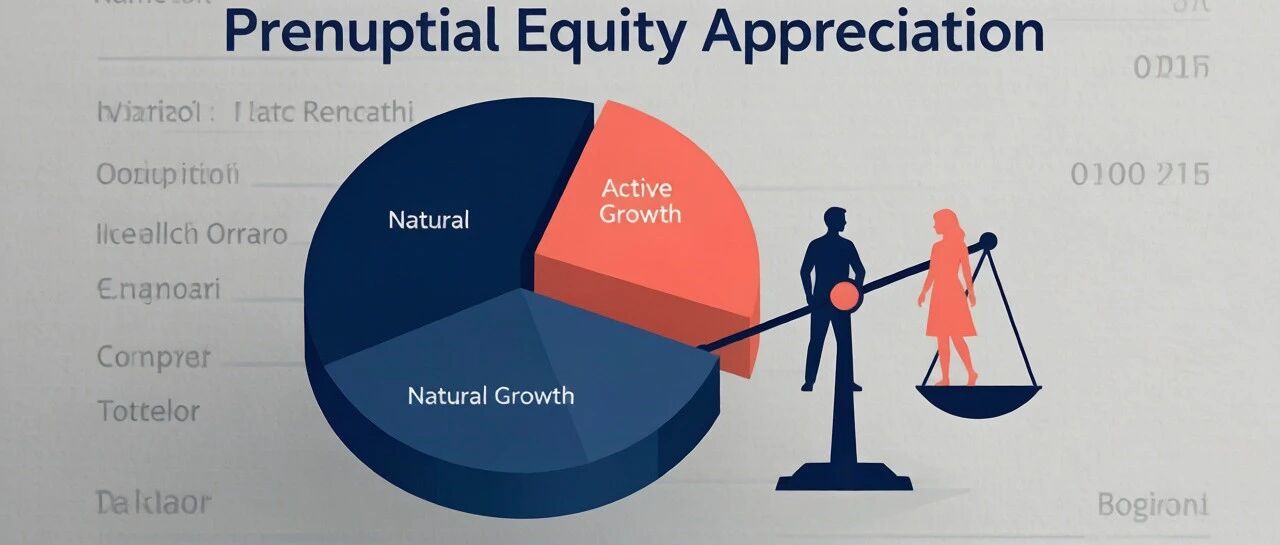
A Company Founded Before Marriage: Why Is Half the Appreciation Divided at Divorce? — Rules and Judicial Paths for Dividing Post-Marriage Appreciation of Premarital Equity
一方婚前持有的公司股权本身属个人财产,离婚不分割;但婚后增值部分是否属共同财产,关键看增值性质——自然增值归个人,主动增值(投资收益)属共同。


Online Consultation
Or scan the QR code to reach Lawyer Kevin Jun Lin on WeChat